We often find ourselves with small pockets of free time, and these instances are now ripe for a bit of amusement. Consider playing a game like Turbo Mines while your car goes through a wash in the UK. It’s an interesting pairing: outside, your vehicle gets cleaned and sprayed, while inside, you’re interacting with a screen and making swift strategic choices. This article looks at how the Turbo Mines game operates, why it’s such a good fit for a five-minute wait, and where it sits in the wider world of killing time on the go. We’ll see how these games captivate you without demanding your full concentration, which makes them ideal for tasks that remain in the background. The carwash is a perfect example—a expected few minutes where watching a film is awkward, but a mental distraction fits the bill.
Comprehending the Turbo Mines Game Mechanics
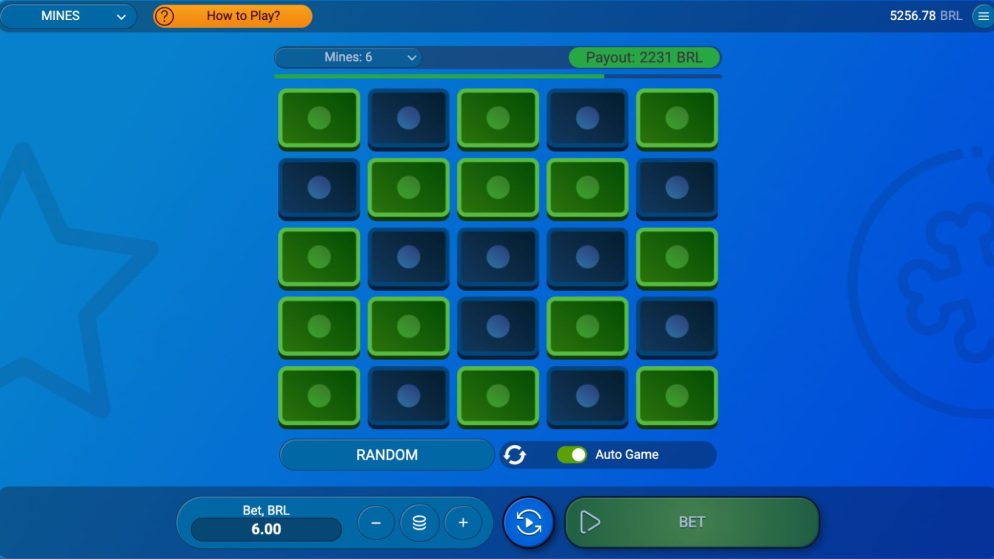
To see why it works as a waiting game, you need to know what Turbo Mines actually is https://turbomines.net. It’s a contemporary take on the old minesweeper concept, dressed up with today’s game economy elements. You see a grid, containing mines and possible rewards below. Your role is to tap tiles one by one, accumulating virtual rewards or multipliers while staying away of the mines. Every safe click increases your potential payout, but the risk rises each time. The crucial move is the “cash out” option—you have to choose to bank your winnings before a mine inevitably concludes your round. This generates a intense, thrilling loop of risk against reward that plays out in seconds. The interface is usually clear and easy, made for quick reading, which matters when your attention is split.
Central Gameplay Loop and Risk Management
The mental pull of Turbo Mines stems from its simple loop. You commence with a small bet, the tension grows as you succeed, and then you confront a voluntary decision: take a small win or bet for a bigger one. This compact story of greed versus caution aligns neatly into a carwash timeline. You don’t need a manual; the rules seem instinctive. That simplicity is vital for casual play. You handle risk not with some grand plan, but with a gut sense about the next click, a mental activity that’s engaging but never too much. The feedback is rapid—you watch your multiplier grow or the mine detonate—giving you a definite end and the chance to try again within a single wash cycle.
Vehicle wash as the Ideal Micro-Entertainment Location
The contemporary carwash, especially the automated tunnel systems prevalent in the UK, sets up a distinctive spot for this sort of entertainment. You’re positioned in the driver’s seat, the car is moving, but you have no interaction with the process. It’s boisterous and visually busy with brushes and foam, yet your own role is entirely passive. This mismatch between all the activity outside and your own passivity is where mobile gaming slips in. Your phone becomes a window to a different, regulated reality. Unlike endeavoring to watch a video or read an article, which can be disrupted by the spectacle of the wash, a game like Turbo Mines needs just enough attention to hold your focus but allows you look up easily. It converts the car into a short-term entertainment booth, making the whole service feel faster and more enjoyable.
Design and Design Considerations for On-the-Go Play
From a design viewpoint, Turbo Mines is built for the situation we’re addressing. Its developers zeroed in on what counts for portable, broken play. The user interface uses vivid colors and big buttons that are simple to tap, compensating for poor lighting and the minor shake of a moving car. Game state is usually saved in the app, so an sudden interruption (like the wash finishing) doesn’t ruin your progress in a wider sense. The game’s mechanics, which frequently uses virtual coins or gems, is configured for quick sessions. Everyday bonuses or rapid recharge features motivate you to return without requiring for extended time of play. This creative mindset understands how users use phones today: games are experienced in the intermediate moments of life. The carwash is a typical example of such a moment, and the game’s framework is designed to suit it.
UI Clarity and Play Length
One critical technical element is instant clarity. When a player glances at their phone between suds and rollers, they have to comprehend the game state in a glance. Turbo Mines accomplishes this with a minimalist design: a clear grid, a highlighted multiplier display, and clear “Cash Out” and “Bet” buttons. The developers also effectively control session length. While you can play endlessly, the format of each round (a single escalating gamble) creates logical stopping points every 30 to 60 seconds. This aligns with the fragmented nature of a carwash activity, where your concentration flickers between the game and the action outside. The design considers the user’s situation, never asking for sustained focus for lengthy stretches.
The Mechanics of Short-Duration Gaming
So why does a game like Turbo Mines work so well for a brief carwash visit? It exploits two things: our brain’s aversion to empty time and its attraction to unpredictable rewards. A carwash is a structured pause. You have nothing to do but wait, which can get boring fast. Turbo Mines fills that mental gap with a series of micro-decisions and results. It uses a “variable ratio reinforcement schedule,” the same principle that powers slot machines and social media scrolling. Rewards come at random intervals, making the activity oddly addictive. On top of that, the game gives you a feeling of control during a passive experience. Physically, you’re being pulled through a tunnel, but mentally, you’re calling the shots. This contrast can make the wait feel useful, or at least more fun, instead of just dead time.
Juxtaposing Turbo Mines to Other Wait-Time Pursuits
To comprehend the game’s attraction, stack Turbo Mines versus different activities users engage in during a vehicle wash. Many will browse social media, browse news, and compose some messages. Nevertheless, those constitute mostly passive browsing or simple messaging. Turbo Mines provides a guided experience with defined objectives and endings. It’s not like an intricate mobile game that demands prolonged concentration and memory; there’s no lengthy plot or ranking system to follow. Relative to just staring at the wash brushes, it gives you a particular mental task. Several key distinctions make this activity especially suited for this unique setting:
- Quick Engagement: No extended loading times or preparation; you can easily launch a game in just seconds.
- Short Sessions: Every round is standalone, ranging from a few seconds to a minute, which fits the divided attention you possess.
- No Sound Requirement: You can enjoy it perfectly well on mute, which is vital in a loud carwash.
- Minimal Mental Load: It demands tactical thinking but not complex strategy, permitting frequent pauses and starts.
- Feel-Good Factor: The rapid cycle of risk and reward provides brief bursts of thrill or suspense, directly fighting monotony.
The Wider Movement of Situational Gaming
Pairing Turbo Mines with a carwash wait is not an isolated case. It’s part of a larger movement we can call “situational gaming.” This means games that are either built for, or are well-suited for, certain real-world scenarios: the daily commute, queuing up, awaiting a scheduled time, or passing time during a service like a carwash. These games share common features. They’re upright-oriented for single-hand operation, have straightforward mechanics, and offer enjoyment in brief intervals. They treat time not as something to commit for a long-term reward, but as brief windows to occupy with immediate, casual interaction. In this view, the carwash is just another “context” ready for gamification. As daily life becomes more segmented and services more self-operating, these interstitial moments will grow. The need for targeted, contextual amusement like Turbo Mines will likely expand with them.
FAQ
What precisely is the Turbo Mines game?
Turbo Mines constitutes a quick digital game built on the classic minesweeper idea. Players click a grid to reveal hidden multipliers while evading mines. The major strategic option is when to “cash out” and secure your winnings before you hit a mine. It’s crafted for quick, engaging plays that extend from a few seconds to a couple of minutes, which renders it ideal for short breaks or waiting around.
Is Turbo Mines suitable for beginners?
Yes, entirely. The game’s mechanics are easy to learn, with no complex tutorials required. The risk-reward system feels natural: click to win more, but stop before you lose. This minimal barrier to entry is a significant part of why it functions for casual gaming in places like a carwash, where you need to start immediately without learning the rules first.
Why would someone engage in a game during a carwash?
A carwash offers a limited, predictable timeframe where you’re just passing time. Engaging in a game like Turbo Mines fills up that time with an engaging mental task to combat boredom. It gives you a feeling of control and decision-making during an otherwise automatic procedure, making the wait feel faster and more entertaining than just watching the wash happen.
Does playing Turbo Mines demand an internet connection at the carwash?
That hinges on the specific app you’re playing on. Many instant-play versions in web browsers require a stable connection to operate. It’s a good idea to ensure you have mobile data coverage or, if available, use the carwash facility’s Wi-Fi to sidestep any bothersome interruptions mid-game.
In what way does Turbo Mines compare to traditional mobile puzzle games?
Unlike puzzle games that might involve complex problem-solving or a story, Turbo Mines concentrates on immediate risk assessment and quick decision loops. There aren’t any levels to conquer or long-term strategies. It’s all about the tension of the very next click, which matches the split attention you have in a busy environment.
Are there any strategies for being successful at Turbo Mines?
While it’s essentially a game of chance, a common approach is to establish a personal multiplier target for cashing out before you start a round and sticking to it, resisting the urge for “one more click.” Managing your virtual bankroll and sidestepping chasing losses are also sensible behavioral tactics for making it entertaining, rather than hoping for predictable wins.
Might this type of gaming a positive use of waiting time?
From a fun standpoint, sure. It turns idle time into an active mental exercise. But as with any game, moderation counts. It’s a positive diversion if it makes the wait better without causing frustration. Whether it’s a good fit is personal, but its design for short sessions aligns nicely with filling small gaps in your day.